Quantum ML
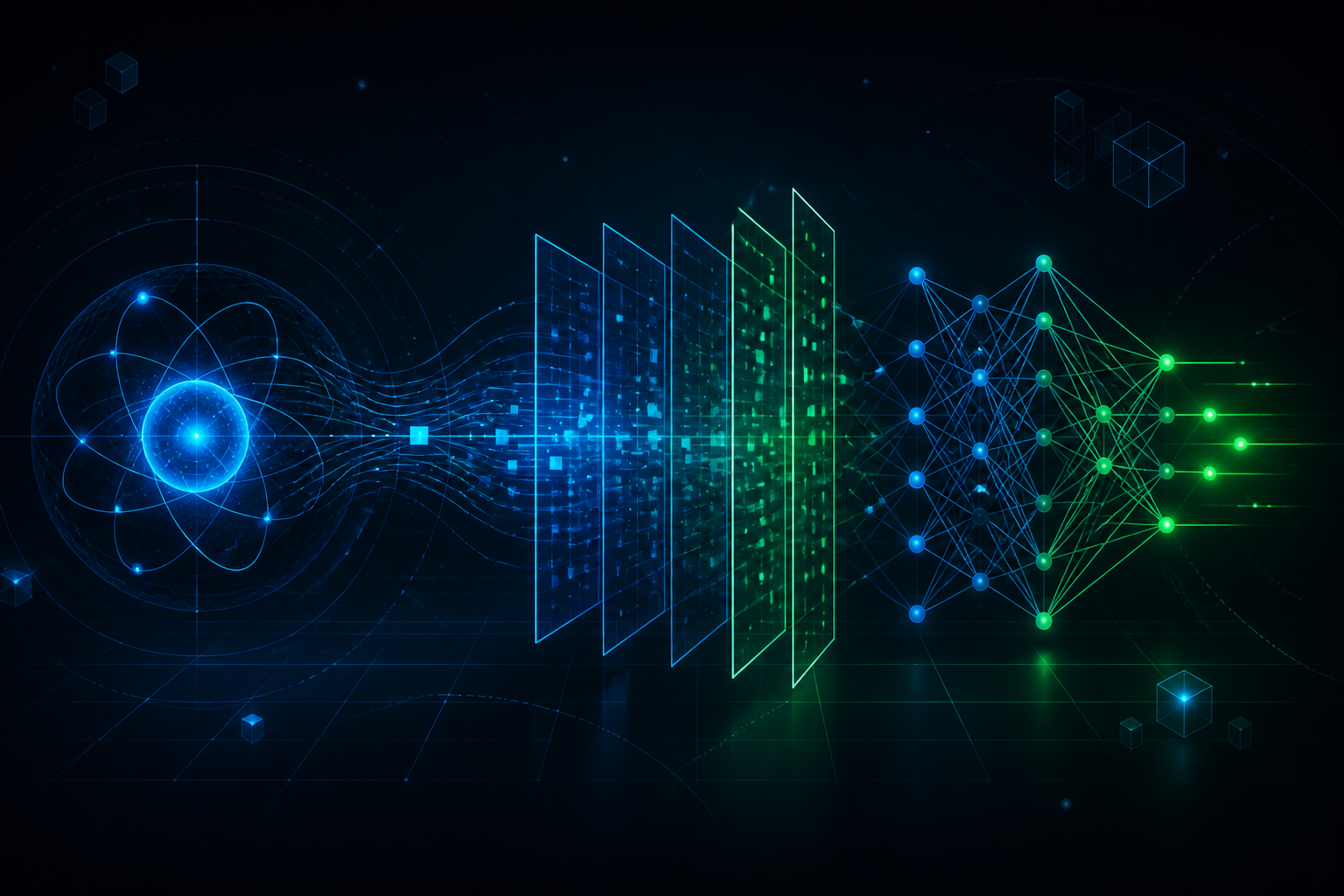
Quantum machine learning algorithms combine quantum computing and machine learning. They can solve complex problems more efficiently than classical algorithms.
Introduction to Quantum Machine Learning Algorithms
Quantum machine learning algorithms are a new and exciting field that combines the power of quantum computing with the flexibility of machine learning. These algorithms have the potential to solve complex problems more efficiently than classical algorithms, which is why they matter.
Context and Why it Matters
Classical machine learning algorithms are powerful tools for solving complex problems, but they have limitations. They can be slow and require a lot of computational resources, which can be a problem when dealing with large datasets. Quantum machine learning algorithms can help solve these problems by using the principles of quantum mechanics to speed up computations.
Core Concept
The core concept of quantum machine learning algorithms is the use of quantum bits or qubits. Qubits are the fundamental units of quantum information and can exist in multiple states simultaneously, which allows them to process multiple possibilities simultaneously. This property of qubits is known as superposition.
Quantum Circuit Learning
One of the key techniques in quantum machine learning is quantum circuit learning. This involves training a quantum circuit to perform a specific task, such as classifying data or generating new data. The quantum circuit is trained using a classical optimization algorithm, which adjusts the parameters of the circuit to minimize the loss function.
import numpy as np
from qiskit import QuantumCircuit, execute

# Create a quantum circuit with 2 qubits and 2 classical bits
qc = QuantumCircuit(2, 2)

# Add a Hadamard gate to the first qubit
qc.h(0)

# Add a CNOT gate to the first and second qubits
qc.cx(0, 1)

# Measure the qubits
qc.measure([0, 1], [0, 1])

# Execute the circuit
job = execute(qc, backend='qasm_simulator')
result = job.result()

# Print the result
print(result.get_counts())
Worked Example
Let's consider a simple example of a quantum machine learning algorithm. Suppose we want to classify data into two classes using a quantum support vector machine (QSVM). The QSVM is a quantum version of the classical support vector machine (SVM) algorithm.
import numpy as np
from qiskit import QuantumCircuit, execute
from qiskit.quantum_info import Statevector
from sklearn.datasets import load_iris
from sklearn.model_selection import train_test_split

# Load the iris dataset
iris = load_iris()
X = iris.data
y = iris.target

# Split the data into training and testing sets
X_train, X_test, y_train, y_test = train_test_split(X, y, test_size=0.2, random_state=42)

# Create a quantum circuit with 4 qubits and 4 classical bits
qc = QuantumCircuit(4, 4)

# Add a Hadamard gate to each qubit
qc.h([0, 1, 2, 3])

# Add a CNOT gate to each pair of qubits
qc.cx(0, 1)
qc.cx(1, 2)
qc.cx(2, 3)

# Measure the qubits
qc.measure([0, 1, 2, 3], [0, 1, 2, 3])

# Execute the circuit
job = execute(qc, backend='qasm_simulator')
result = job.result()

# Print the result
print(result.get_counts())
Pitfalls
There are several pitfalls to watch out for when working with quantum machine learning algorithms. One of the main pitfalls is the noise in the quantum circuit, which can cause the algorithm to produce incorrect results. Another pitfall is the limited number of qubits available in current quantum computers, which can limit the size of the dataset that can be processed.
What to Read Next
If you're interested in learning more about quantum machine learning algorithms, there are several resources available. One of the best resources is the Qiskit documentation, which provides a comprehensive introduction to quantum computing and quantum machine learning. Another resource is the arXiv, which has a large collection of research papers on quantum machine learning.