
Autonomous DB Systems
Learn about autonomous database systems and their benefits. This tutorial covers the core concepts and provides a worked example.
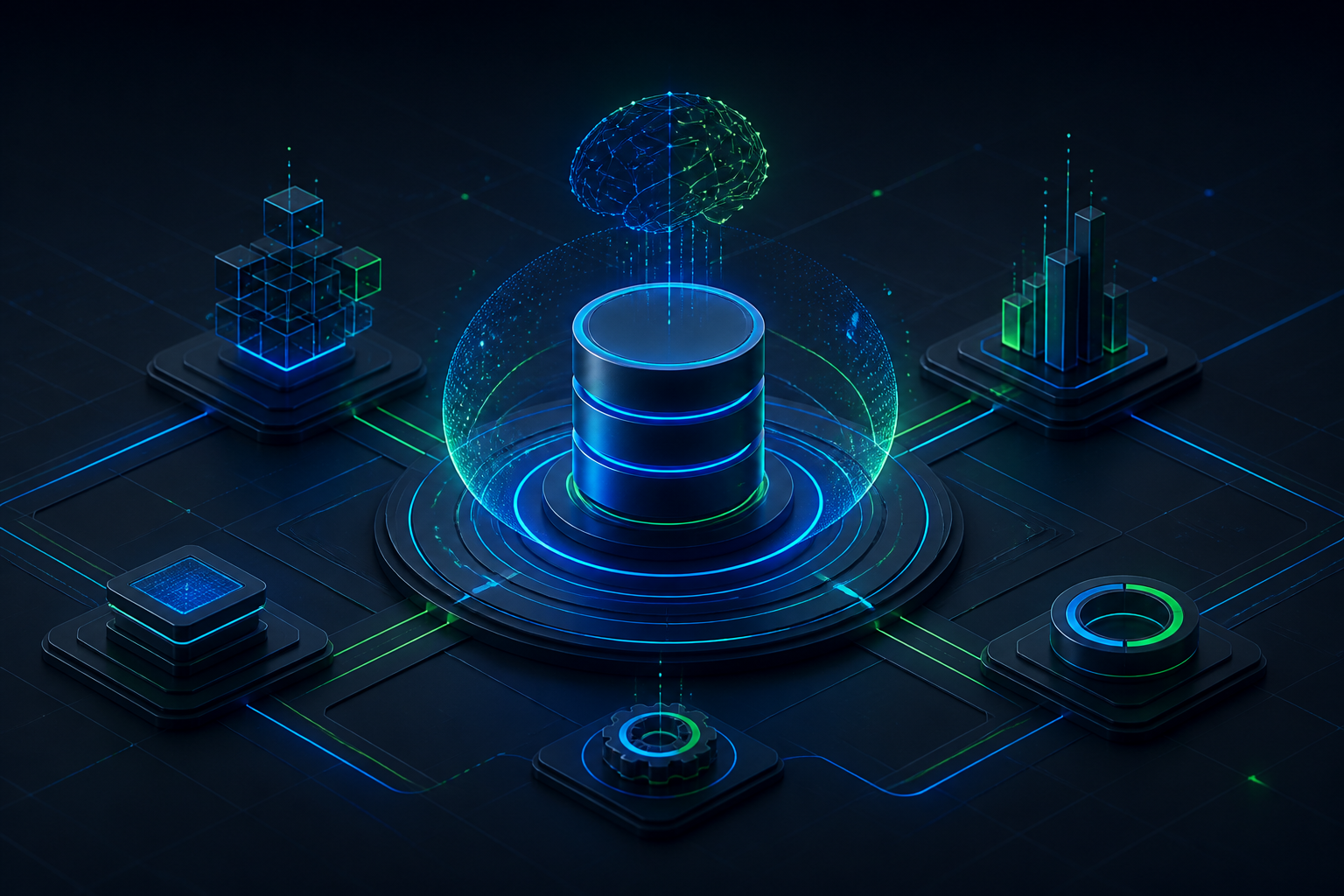
Introduction to Autonomous Database Systems
Autonomous database systems are self-managing, self-repairing, and self-securing, which reduces the need for human intervention. They use machine learning and artificial intelligence to optimize their performance, making them more efficient and reliable.
Why Autonomous Database Systems Matter
The main benefits of autonomous database systems include improved performance, increased security, and reduced costs. With the ability to self-manage and self-repair, these systems can detect and fix issues before they become major problems.
Core Concept of Autonomous Database Systems
The core concept of autonomous database systems is based on the use of machine learning and artificial intelligence to optimize their performance. They can analyze large amounts of data and make decisions in real-time, allowing them to adapt to changing conditions.
Example of Autonomous Database Systems
One example of an autonomous database system is Oracle's Autonomous Database. It uses machine learning algorithms to optimize its performance and can self-manage, self-repair, and self-secure.
Worked Example
Here is an example of how to create an autonomous database using Oracle's Autonomous Database:
CREATE TABLE customers (
  id NUMBER PRIMARY KEY,
  name VARCHAR2(50),
  email VARCHAR2(100)
);

INSERT INTO customers (id, name, email) VALUES (1, 'John Doe', 'johndoe@example.com');
INSERT INTO customers (id, name, email) VALUES (2, 'Jane Doe', 'janedoe@example.com');
To query the data, you can use the following SQL statement:
SELECT * FROM customers;
This will return the following result:
| id | name | |
|---|---|---|
| 1 | John Doe | johndoe@example.com |
| 2 | Jane Doe | janedoe@example.com |
Pitfalls of Autonomous Database Systems
While autonomous database systems offer many benefits, there are also some potential pitfalls to be aware of. These include:
- Over-reliance on automation: While autonomous database systems can self-manage and self-repair, they still require human oversight to ensure that they are functioning correctly.
- Security risks: Autonomous database systems can be vulnerable to security risks if they are not properly configured and secured.
- Lack of control: Autonomous database systems can make decisions without human intervention, which can be a problem if they are not aligned with business goals.
What to Read Next
To learn more about autonomous database systems, you can read the following resources:
- Oracle's Autonomous Database documentation
- Research papers on autonomous database systems
- Online courses on machine learning and artificial intelligence for database systems
Conclusion
Autonomous database systems are a powerful tool for managing and optimizing database performance. By understanding the core concepts and benefits of these systems, you can make informed decisions about whether to implement them in your organization.